
If you have done principles of business, management of business or any business course, you might recall learning about the concept of a limited liability company (LLC) and how it shields the owner’s personal debts from affecting the business. This principle is clear-cut when it comes to financial liabilities, but what about the owner’s reputation? How does the reputation of an LLC owner influence the company, and to what extent must an owner be involved for their personal reputation to impact the business?
Don’t Let Your Company Incur the Cost of Your Reputation Debt
Reputation is an intangible yet incredibly powerful asset. In today’s interconnected world, the reputation of a business owner, whether it is a sole trader, partnership or a limited liability company, can have profound implications for their company. Unlike financial debts, which are clearly defined and accounted for, reputation debt is more elusive but equally, if not more, significant.
The Ripple Effect of Personal Reputation
When an individual establishes a company, their personal reputation becomes intertwined with that of the business. This relationship can be both beneficial and detrimental. A positive personal reputation can enhance the company’s image, attract customers, and build trust. Conversely, a tarnished personal reputation can cast a shadow over the company, leading to loss of business, distrust among stakeholders, and long-term damage to the brand.
Consider high-profile cases where the actions or statements of a company’s founder or CEO have led to public backlash. The repercussions often extend beyond the individual to the company they represent, affecting stock prices, customer loyalty, and even the ability to attract and retain talent. This phenomenon illustrates the concept of reputation debt—a liability that, unlike financial debt, is not reflected on the balance sheet but can have severe financial consequences.

Several well-known companies have faced reputation debt because of the actions or reputations of their leaders. These examples are shared not to assign blame, but to offer important lessons from their mistakes. Are you an entrepreneur or considering entrepreneurship? Take note and learn from these errors.
Uber: The ride-sharing giant faced significant backlash due to the behaviour and leadership style of its founder and former CEO, Travis Kalanick. Reports of a toxic work culture, numerous lawsuits, and allegations of unethical practices severely damaged Uber’s reputation. The company’s public image took a hit, resulting in loss of trust among users and investors, and ultimately leading to Kalanick’s resignation.
Tesla: Elon Musk, the CEO of Tesla, has a reputation for being innovative and visionary, but his erratic behaviour and controversial statements have sometimes negatively impacted the company’s stock prices and public perception. Instances such as his tweets about taking Tesla private and his public dispute with the SEC have contributed to reputation debt, affecting investor confidence and market stability.
Papa John’s: The pizza chain’s founder, John Schnatter, resigned as chairman after it was revealed he used a racial slur during a conference call. This incident caused significant damage to the brand’s reputation, leading to declines in sales, store closures, and a tarnished brand image that required extensive efforts to rebuild.
Facebook: Mark Zuckerberg’s handling of various controversies, including data privacy issues and the Cambridge Analytica scandal, has impacted Facebook’s reputation. The perception of Facebook as a company that prioritizes user privacy has been severely damaged, leading to regulatory scrutiny, fines, and a loss of user trust.
How Much Ownership Is Needed to Impact a Company?
The degree to which an owner’s reputation affects the company depends on several factors:
Visibility and Public Profile: The more public the owner, the greater the impact. High-profile figures with significant media presence can influence public perception more than behind-the-scenes owners.
Ownership Stake: A larger ownership stake often means more control and visibility within the company, thereby linking personal reputation more closely with that of the business.
Operational Role: An owner actively involved in daily operations or holding a prominent position (such as CEO) is more likely to influence the company’s reputation directly.
Mitigating Reputation Debt
To protect your company from the adverse effects of reputation debt, consider the following strategies:
Proactive Reputation Management: Regularly monitor and manage your personal and company reputations. Engage in public relations efforts to highlight positive contributions and address potential issues swiftly.
Crisis Management Plans: Develop and implement crisis management strategies to handle situations where the owner’s reputation may negatively impact the company. This includes having a clear communication plan and a designated spokesperson. All businesses should have a crisis managment plan.
Transparency and Accountability: Foster a culture of transparency and accountability within the company. Encourage ethical behaviour and create policies that uphold the company’s values, independent of any individual’s actions.
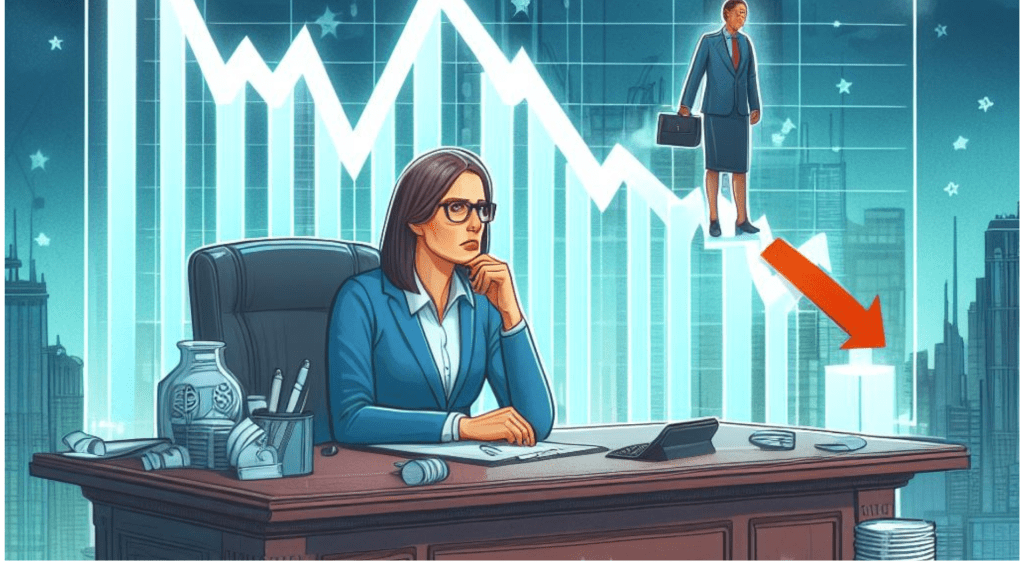
While the financial separation provided by an LLC is a valuable legal protection, it is crucial to recognise that personal reputation does not adhere to the same boundaries. Reputation debt is a real and potentially damaging liability that can affect your company’s success and longevity. By understanding the interplay between personal and professional reputations and taking proactive steps to manage it, business owners can safeguard their companies against the hidden costs of reputation debt.
Your reputation, much like your financial health, requires careful management and consideration. Don’t let your company incur the cost of your reputation debt—be proactive, be prepared, and protect your business from this intangible liability.
And for crying out loud “Stop saying stupid things…. Think before you speak”

References
https://www.theverge.com/2024/4/3/24119918/elon-musk-reputation-impact-tesla-falling-sales
 AcedIt!!!
Leave a comment